Compressors
A compressor is a mechanical device that increases gas pressure by reducing its volume.
Know more
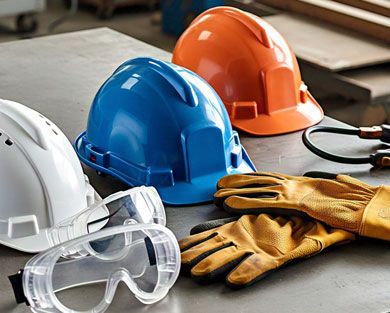
Safety Equipment refers to devices or gear designed to protect individuals from hazards, injuries, or illnesses in various environments, including workplaces, construction sites, and other settings. Here are some common types of safety equipment:
Hard Hats: Protect the head from falling objects or electrical hazards.
Safety Glasses: Protect the eyes from chemical splashes, flying particles, or other hazards.
Gloves: Protect the hands from cuts, abrasions, or chemical exposure.
Respirators: Protect the lungs from airborne contaminants, such as dust, chemicals, or biological agents.
Steel-Toed Boots: Protect the feet from heavy objects or hazards.
Harnesses: Distribute the force of a fall across the body to prevent injury.
Fire Extinguishers: Put out fires quickly and effectively.
First Aid Kits: Provide basic medical supplies for treating injuries.
Safety Signs: Alert individuals to potential hazards or dangers in the environment.
Protection: Safety equipment is designed to protect individuals from specific hazards, such as physical, chemical, or electrical hazards.
Durability: Safety equipment is built to withstand the demands of the work environment and provide long-lasting protection.
Comfort: Safety equipment should be comfortable to wear or use, to encourage consistent use and minimize distractions.
Visibility: Safety equipment, such as high-visibility vests, can increase visibility in low-light environments.
Prevention of Injuries: Safety equipment can prevent injuries and illnesses by protecting workers from hazards.
Compliance with Regulations: Many industries are required by law to provide safety equipment and follow specific safety regulations.
Increased Productivity: Safety equipment can help reduce downtime and improve productivity by minimizing the risk of accidents and injuries.
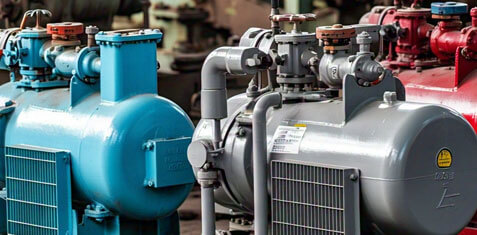
A compressor is a mechanical device that increases gas pressure by reducing its volume.
Know more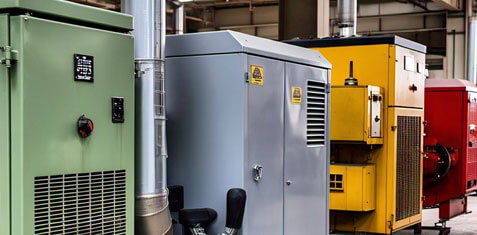
Generators convert mechanical energy into electrical energy.
Know more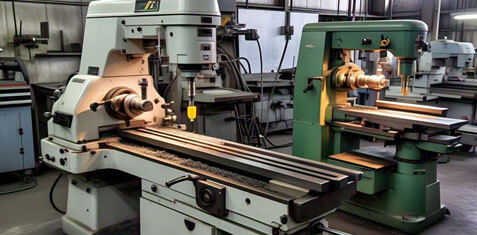
Machine tools shape metal or other materials by cutting, grinding, or similar methods.
Know more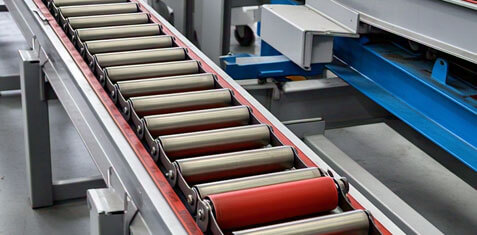
Conveyor belts transport materials or products between locations.
Know more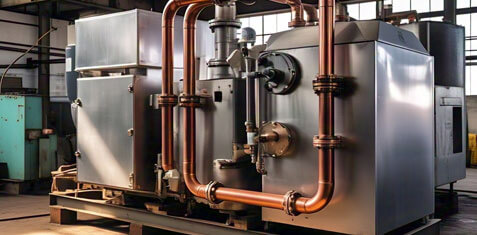
A chiller is a device that cools a liquid, usually water, which is then circulated to cool other systems or equipment.
Know more