Compressors
A compressor is a mechanical device that increases gas pressure by reducing its volume.
Know more
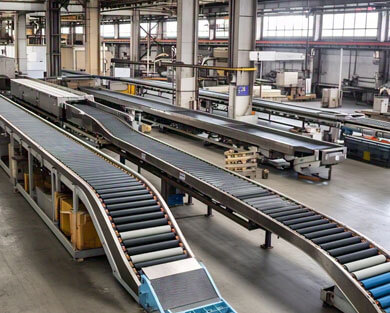
Conveyor Belts are mechanical systems used to transport materials or products from one location to another. They consist of a continuous loop of material, such as rubber or synthetic materials, that is supported by rollers or pulleys and driven by a motor.
Belt: The conveyor belt itself, made of materials such as rubber, PVC, or synthetic materials.
Rollers: Cylindrical components that support the belt and facilitate movement.
Pulleys: Wheels that drive the belt and change its direction.
Drive System: The motor and gearbox that power the conveyor belt.
Material Handling: Conveyor belts are used to transport materials, such as raw materials, products, or waste, in various industries.
Manufacturing: Conveyor belts are used to move products through different stages of production.
Logistics: Conveyor belts are used in warehouses and distribution centers to sort and transport packages.
Increased Efficiency: Conveyor belts can automate material handling, reducing labor costs and improving productivity.
Improved Safety: Conveyor belts can reduce the risk of injury associated with manual material handling.
Flexibility: Conveyor belts can be designed to fit specific applications and can be easily modified or extended.
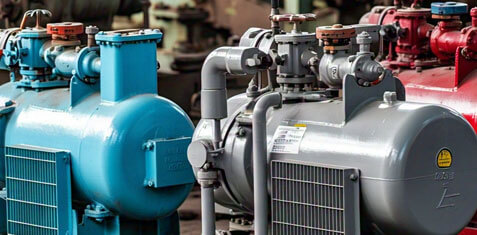
A compressor is a mechanical device that increases gas pressure by reducing its volume.
Know more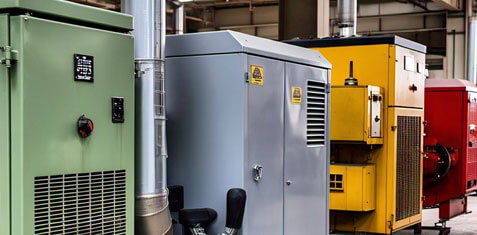
Generators convert mechanical energy into electrical energy.
Know more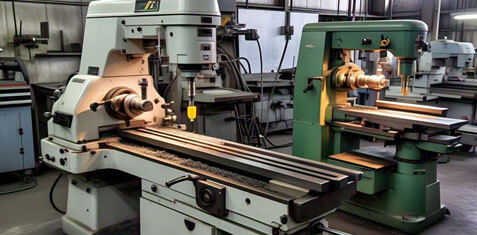
Machine tools shape metal or other materials by cutting, grinding, or similar methods.
Know more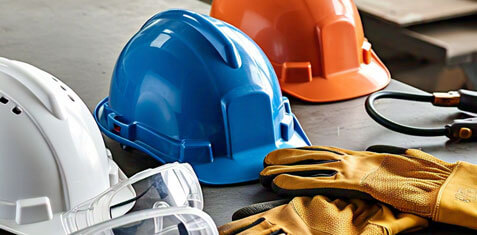
Safety equipment protects individuals from hazards and injuries.
Know more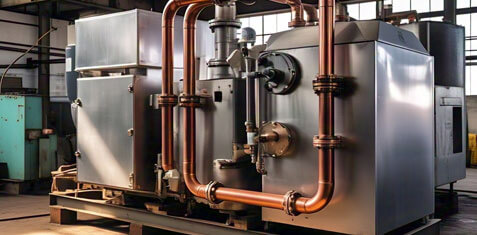
A chiller is a device that cools a liquid, usually water, which is then circulated to cool other systems or equipment.
Know more