Compressors
A compressor is a mechanical device that increases gas pressure by reducing its volume.
Know more
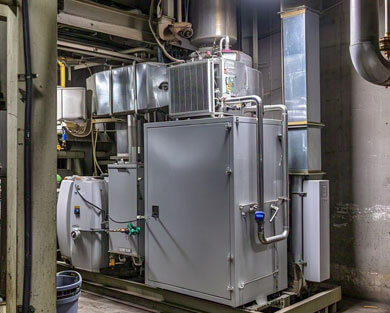
A chiller is a machine or device used to cool a liquid, typically water, which can then be circulated to cool other systems or equipment. It works by removing heat from the liquid through a refrigeration cycle, and can be used in various applications like air conditioning, industrial processes, and even metal processing.
Water-Cooled Chillers: These chillers use water to cool the condenser and are often used in large industrial applications.
Air-Cooled Chillers: These chillers use air to cool the condenser and are often used in smaller applications or where water conservation is a concern.
Centrifugal Chillers: These chillers use a centrifugal compressor and are often used in large industrial applications where high cooling capacities are required.
Screw Chillers: These chillers use a screw compressor and are often used in medium to large industrial applications.
Scroll Chillers: These chillers use a scroll compressor and are often used in smaller industrial applications.
Absorption Chillers: These chillers use heat energy to drive the cooling process and are often used in applications where waste heat is available.
Reciprocating Chillers: These chillers use a reciprocating compressor and are often used in smaller industrial applications.
Each type of chiller has its own advantages and disadvantages, and the choice of chiller type depends on the specific requirements of the manufacturing process, including cooling capacity, temperature requirements, and energy efficiency.
Some factors to consider when selecting a chiller for a manufacturing application include:
Cooling capacity requirements
Temperature requirements
Energy efficiency
Space constraints
Maintenance requirements
Noise level requirements
Compatibility with existing equipment and systems.
Cooling Capacity: Chillers are designed to provide a specific cooling capacity, measured in tons or kW.
Temperature Control: Chillers can provide precise temperature control, allowing for consistent cooling performance.
Energy Efficiency: Modern chillers are designed to be energy-efficient, reducing operating costs and environmental impact.
Reliability: Chillers are built to operate continuously, providing reliable cooling performance.
Compact Design: Many chillers are designed to be compact, making them suitable for installation in limited spaces.
Microprocessor Controls: Many chillers feature microprocessor controls, allowing for easy operation, monitoring, and maintenance.
Safety Features: Chillers often include safety features, such as automatic shut-off, alarm systems, and protection against over-temperature and over-pressure conditions.
Corrosion Protection: Chillers may feature corrosion-resistant materials and coatings to extend their lifespan.
Low Noise Operation: Some chillers are designed to operate quietly, making them suitable for installation in noise-sensitive areas.
Modularity: Some chillers are designed to be modular, allowing for easy expansion or replacement of components.
Remote Monitoring: Some chillers can be monitored remotely, allowing for real-time monitoring and troubleshooting.
High-Efficiency Compressors: Chillers may feature high-efficiency compressors, such as scroll or screw compressors, to reduce energy consumption.
Advanced Refrigerants: Chillers may use advanced refrigerants, such as low-GWP (Global Warming Potential) refrigerants, to reduce environmental impact.
Customization: Chillers can be customized to meet specific application requirements, such as specialized cooling applications or unique installation constraints.
Energy Efficiency: Chillers can be more energy-efficient than other cooling methods, especially for large-scale applications.
Precise Temperature Control: Chillers provide precise temperature control, which is essential for many industrial and medical applications.
Increased Productivity: Chillers can help increase productivity by maintaining optimal temperatures for equipment and processes.
Reliability: Chillers are designed to operate continuously, providing reliable cooling performance.
Flexibility: Chillers can be used in a variety of applications, from small-scale laboratory equipment to large-scale industrial processes.
Reduced Maintenance: Chillers can reduce maintenance costs by providing consistent cooling and minimizing equipment downtime.
Improved Product Quality: Chillers can help improve product quality by maintaining precise temperatures during manufacturing processes.
Scalability: Chillers can be designed to meet specific cooling requirements, making them scalable for various applications.
Water Conservation: Some chillers, such as air-cooled chillers, can help conserve water compared to other cooling methods.
Cost Savings: Chillers can help reduce operating costs by minimizing energy consumption and reducing maintenance needs.
Extended Equipment Life: Chillers can help extend the life of equipment by maintaining optimal temperatures and reducing wear and tear.
Enhanced Safety: Chillers can help enhance safety by providing reliable cooling and minimizing the risk of overheating or equipment failure.
Reduced Downtime: Chillers can help reduce downtime by providing consistent cooling and minimizing equipment failure.
Environmental Benefits: Some chillers, such as those using low-GWP refrigerants, can help reduce environmental impact.
Overall, chillers offer a reliable, efficient, and precise cooling solution for a wide range of applications, providing numerous benefits for industries and organizations.
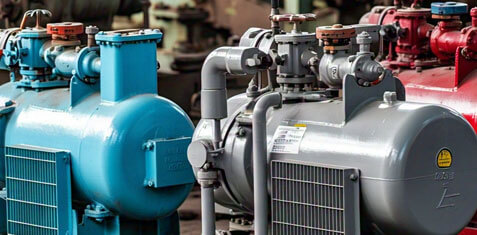
A compressor is a mechanical device that increases gas pressure by reducing its volume.
Know more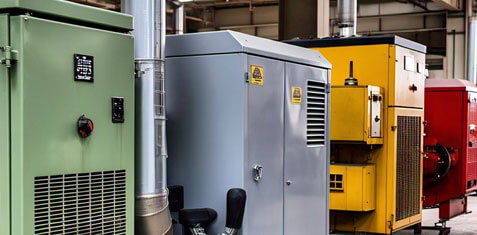
Generators convert mechanical energy into electrical energy.
Know more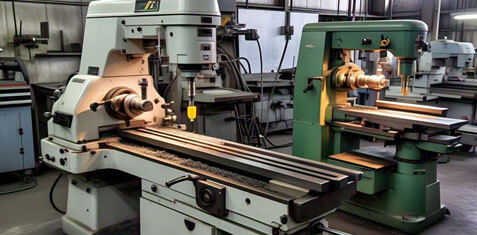
Machine tools shape metal or other materials by cutting, grinding, or similar methods.
Know more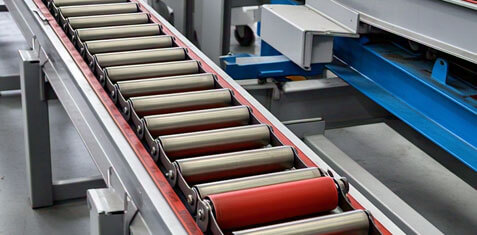
Conveyor belts transport materials or products between locations.
Know more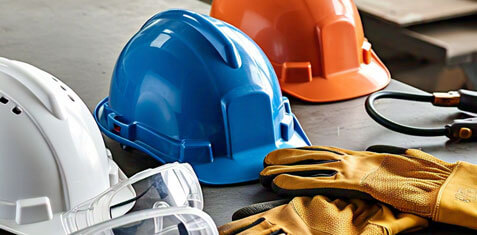
Safety equipment protects individuals from hazards and injuries.
Know more