Compressors
A compressor is a mechanical device that increases gas pressure by reducing its volume.
Know more
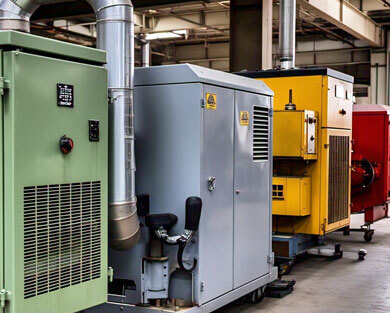
Generators are devices that convert mechanical energy into electrical energy. They work on the principle of electromagnetic induction, where a conductor (such as a coil) is rotated within a magnetic field, inducing an electric current.
AC Generators (Alternators): Produce alternating current (AC) electricity.
DC Generators: Produce direct current (DC) electricity.
Backup Power: Generators provide emergency power during grid failures or outages, ensuring continuous operation of critical systems.
Peak Shaving: Generators help reduce peak demand charges by generating power during periods of high energy usage.
Prime Power: Generators serve as primary power sources for remote or off-grid locations.
Standby Power: Generators provide backup power for critical infrastructure, such as data centers, hospitals, and emergency services.
Reliability: Generators provide reliable power during outages or grid failures.
Efficiency: Generators can optimize energy usage and reduce energy costs.
Flexibility: Generators can be used in various applications, from small-scale to large-scale power generation.
Scalability: Generators can be easily scaled up or down to meet changing power needs.
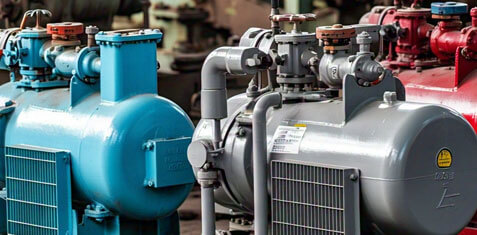
A compressor is a mechanical device that increases gas pressure by reducing its volume.
Know more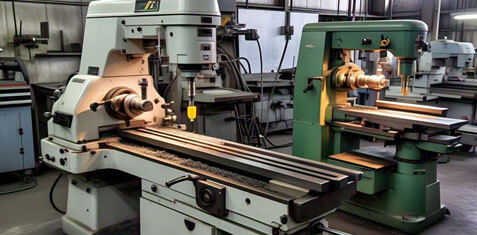
Machine tools shape metal or other materials by cutting, grinding, or similar methods.
Know more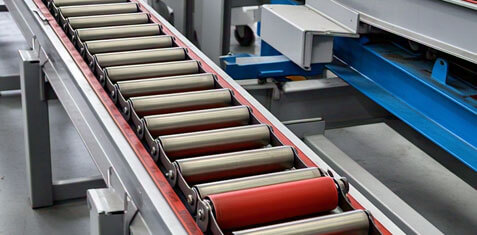
Conveyor belts transport materials or products between locations.
Know more
Safety equipment protects individuals from hazards and injuries.
Know more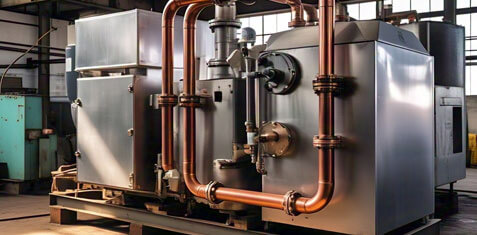
A chiller is a device that cools a liquid, usually water, which is then circulated to cool other systems or equipment.
Know more